Automated Test Case Generator: The Complete 2026 Guide
Tired of manually writing test steps? Learn how an automated test case generator can save you hours of work.
Building software moves incredibly fast today, and shipping new features is the top priority for almost every engineering team.
But writing tests for all those new features manually feels like running in deep mud while the rest of the team sprints ahead.
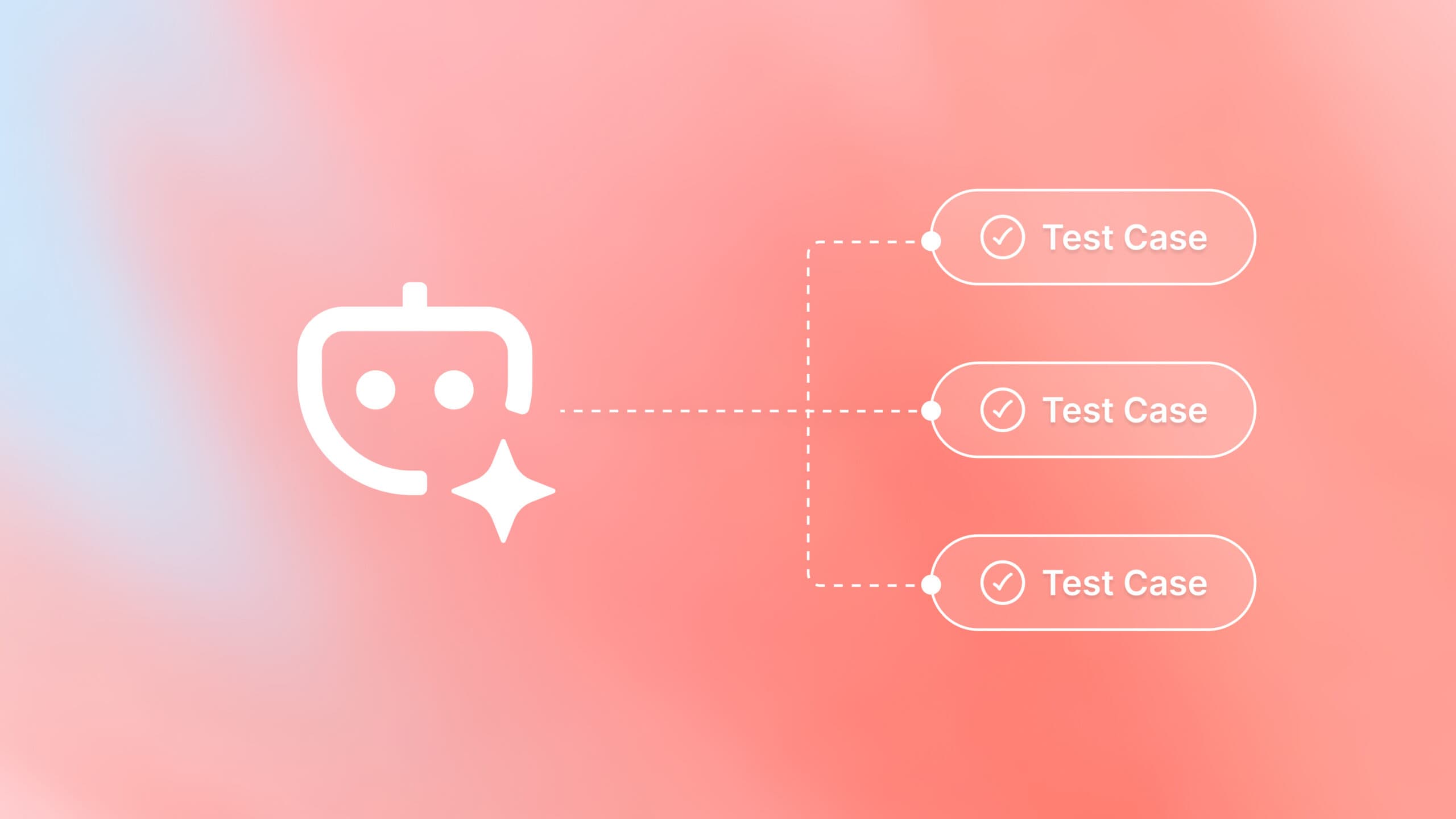
An automated test case generator fixes this bottleneck by turning your product requirements directly into ready to run test steps, giving you back hours of your day.
What Exactly Is an Automated Test Case Generator?
An automated test case generator creates your testing scenarios without needing human input for every single step. It looks at your code, requirements, or web pages, and figures out exactly what needs to be tested to ensure quality. You no longer have to guess what edge cases might break your application in production.
An automated test case generator is a tool that leverages AI, machine learning, or algorithmic logic to create comprehensive test scenarios from existing requirements, code, or user behavior.
In the past, QA engineers had to manually click through screens, meticulously documenting every action, or write long, repetitive automation scripts by hand. Today, these advanced tools act like an extra, highly efficient team member who handles the repetitive, mundane work automatically. They read your Jira stories, analyze your design mockups, and output the exact technical scenarios you need to cover.

You get your valuable time back immediately. You can focus your energy on finding complex, critical bugs instead of just checking if a basic login button works. This shift transforms QA from a bottleneck into a strategic engineering partner.
How an Automated Test Case Generator Actually Works
To truly understand how these tools operate, we need to look deeply under the hood and explore their mechanics. They do not just guess what to test based on random algorithms; they use sophisticated logic.

Tip: Before using a generator, make sure your user stories are highly detailed and clear. Garbage in always means garbage out!
Most modern platforms follow a specific, highly optimized three step process to deliver results. First, they aggressively ingest your data sources to build a context map. This can be anything from product requirement documents to Figma designs or actual source code repositories.
Second, the AI model analyzes the ingested input to thoroughly understand the intended software behavior. It uses advanced natural language processing to break down standard English sentences into logical, programmatic steps. Tools equipped with ai codegen capabilities are incredibly good at parsing this nuance accurately.
Third, the tool rapidly exports the generated scenarios into a format you can actually use in your pipeline. It might give you standard Gherkin syntax or output direct executable code for frameworks.
// Example generated test script for login flow
const { test, expect } = require('@playwright/test');
test('user can log in with valid credentials', async ({ page }) => {
  await page.goto('https://example.com/login');
  await page.fill('#username', 'testuser');
  await page.fill('#password', 'securepassword');
  await page.click('button[type="submit"]');
  await expect(page).toHaveURL('https://example.com/dashboard');
});
You can even integrate these generation tools directly with your preferred test orchestration platforms. This creates a seamless, highly automated pipeline from the initial product idea to a fully tested, ready to deploy feature.

The Real Cost of Manual Test Writing
Let us be completely honest about how much manual test creation costs an engineering organization over a year. Every hour an engineer spends writing a basic login test is an hour they are not building new features. This hidden tax on engineering velocity is massive but rarely quantified by management.
Teams are actively moving away from manual authoring because the business math simply does not add up anymore. Writing testing scripts by hand cannot possibly keep pace with modern weekly or daily continuous deployment cycles. When testing falls behind, deployments are blocked, and the entire business slows down.
Note: AI does not replace testers or QA teams. It replaces the boring, repetitive parts of testing so you can do real engineering.
Furthermore, manual test writing is highly prone to human error and oversight under pressure. When a release deadline is looming, engineers often skip testing complex edge cases to save time. This creates a false sense of security that inevitably leads to painful production incidents.
Key Benefits of Automatic Test Generation
You get massive, undeniable time savings from day one of implementation. Instead of spending days or weeks writing extensive test suites, you generate them in literally minutes. This dramatically shortens your feedback loop and allows developers to merge code faster.
You also get significantly better and more mathematically sound edge case coverage. Humans predictably forget to test negative scenarios and boundary values when they are rushed. An automated test case generator will systematically and aggressively map out all boundaries without getting tired.
This consistent, systematic approach is especially helpful when dealing with painful flaky test analysis. Machine generated tests tend to follow stricter, more reliable coding patterns than human code. They do not rely on hardcoded, brittle timeouts that cause tests to fail randomly on slower CI runners.

Top Automated Test Case Generators in 2026
The market is currently crowded with different tools solving this exact problem in very unique ways. Some vendors focus entirely on no code solutions aimed directly at manual QA testers transitioning to automation. Others generate raw, highly optimized code specifically designed for senior developers and SDETs.
If you are actively looking for test automation tools, you need to clearly understand the main categories. Here is a quick, practical comparison of the main approaches dominating the industry right now.
| Category | Best For | Key Feature Highlight |
|---|---|---|
| Unified Platforms | Large enterprise testing teams | All in one test management and execution |
| Agentic AI Tools | Fast paced agile squads | Converting natural language prompts to code |
| Traffic Based Tools | Backend API developers | Creating accurate tests from network logs |
Tools existing within the modern playwright ai ecosystem are particularly popular right now among top tier companies. They successfully combine the blazing speed of the Playwright engine with intelligent, context aware code generation. This combination offers the best of both worlds: developer friendly code and AI assisted speed.
If you want a specific technical skill to help you navigate this space, check out the Playwright Skill . It gives you the exact architectural setup needed for modern testing success.

Integrating Generators into Your CI/CD Pipeline
A test generator sitting in isolation on your local machine is completely useless to the broader team. The real magic happens when you deeply integrate these tools into your continuous integration and continuous deployment pipelines. This ensures that every single pull request is evaluated against freshly generated, relevant test scenarios.
When a developer opens a pull request, the generator can automatically read the code diff. It then instantly generates specific test cases designed to exercise the exact lines of code that were changed. This hyper targeted approach to test automation keeps test runs incredibly fast and relevant.
By running these generated tests immediately, developers get instant feedback on their changes before merging. They do not have to wait for a QA engineer to manually write and run a test script days later. This rapid feedback loop is the absolute foundation of high performing DevOps organizations today.
Best Practices for Implementing AI Test Generation
Buying an expensive tool is only the very first, and easiest, step in the journey. Using it correctly and integrating it into your culture determines if you actually save money and time. Many teams fail because they treat AI like a magic wand instead of a specialized engineering tool.
You must start by aggressively feeding the tool high quality, heavily contextualized inputs. If you regularly manage test cases in jira, ensure your acceptance criteria are crystal clear and unambiguous. Vague requirements like "make the page load fast" will confuse the AI and generate useless testing scripts.
Tip: Always review and audit generated tests. Do not blindly merge machine code into your main production branch without looking at it.
Implement strict spec driven testing methodologies to get the absolute best results from your AI. This directly aligns your business requirements with the generated technical outputs, ensuring nothing is lost in translation. It creates a single source of truth that both the AI and your engineering team can completely rely on.
Treat generated code exactly like human written code when it comes to quality standards. It needs to go through rigorous code review, linting, and formatting checks before being accepted. Learning how to test ai generated code is now a mandatory skill for modern QA professionals.

Common Pitfalls and Limitations to Avoid
No tool is completely perfect, and AI test generation is certainly no exception to this rule. Believing that an automated test case generator will magically solve all your quality issues is a dangerous mistake. You need to be acutely aware of their technical limitations to use them effectively in your pipeline.
The biggest ongoing issue is the lack of deep business context awareness in the models. AI tools do not fully understand your complex business logic, historical tech debt, or complicated multi step state changes. They might generate a test that is technically correct but completely irrelevant to how a real user interacts with the app.
They also severely struggle with highly dynamic, heavily customized UI elements built with modern frontend frameworks. If your application extensively uses complicated shadow DOMs, the generated CSS selectors might break immediately. You still absolutely need robust ai test management tools to manually override and fix these brittle selectors.
Maintenance can also rapidly become a massive headache if you are not careful with generation limits. If you can generate a thousand tests easily with one click, you now have a thousand tests to maintain when the UI invariably changes. You can quickly drown in test maintenance debt if you generate tests for every trivial scenario.
This massive volume of tests is exactly why picking the right test reporting tools is absolutely crucial. You need advanced dashboards to spot cascading failures quickly and easily update the generated tests in bulk. Without good reporting, your newly generated test suite will become an unreadable, noisy mess of false negatives.

The Future of Test Generation
The technology behind these generators is evolving at a truly staggering, unprecedented pace. What was considered cutting edge research just two years ago is now standard feature sets in commercial tools. We are rapidly moving from simple code generation to fully autonomous testing agents that roam applications.
Future systems will not just read requirements; they will actively explore your application like a curious human user. They will autonomously discover hidden paths, click on unmapped buttons, and identify visual anomalies without any prompts. This represents a massive paradigm shift in how we approach software quality assurance as an industry.
Keeping up with these rapid software testing trends is the only way to ensure your skills remain relevant. The engineers who learn to master these AI tools will become exponentially more productive than those who resist them. Embrace the change, and let the machines handle the tedious scripting while you handle the complex engineering.

Conclusion
The painful era of writing every single test step manually by hand is rapidly coming to an end. An automated test case generator gives your engineering team the incredible speed needed for modern software delivery. It removes the friction from testing, allowing you to ship high quality features to your users faster than ever before.
By aggressively automating the boring, repetitive parts of QA, engineers can finally focus on high level strategy. They can spend vastly more time exploring complex user journeys, designing better architectures, and less time typing out CSS selectors. This elevation of the QA role is the most exciting development in software testing in the last decade.
It is abundantly clear that AI adoption in testing is no longer optional; it is strictly mandatory for survival. Start small today, generate a few basic tests for your simplest user flows, and slowly expand from there as you build trust. Your future self, and your entire engineering team, will thank you immensely for the countless hours saved.
FAQs

Ayush Mania
Forward Development Engineer